
How Commercial Construction Shapes Modern Business Spaces
Commercial construction plays a crucial role in shaping the spaces where businesses operate, grow, and thrive. From office towers and retail centers to hotels and healthcare facilities, these projects define how we experience work, leisure, and community. Behind every successful structure is a careful blend of engineering expertise, architectural creativity, and strategic planning.
In this blog, we’ll explore what commercial construction entails, its main phases, emerging trends, and why choosing the right construction company can make all the difference.
What Is Commercial Construction?
Commercial construction refers to the design, development, and building of structures intended for commercial use rather than residential living. This includes buildings such as:
- Office buildings and business complexes
- Retail spaces and shopping centers
- Restaurants and hotels
- Warehouses and industrial facilities
- Healthcare clinics and hospitals
Each project type comes with unique requirements. For example, office buildings focus on efficient layouts and employee comfort, while warehouses prioritize logistics and functionality.
At its core, commercial construction blends structural integrity with aesthetics and long-term usability, ensuring every building not only looks impressive but performs well over time.
Phases of a Commercial Construction Project
A successful commercial construction project doesn’t happen overnight. It follows a systematic process that ensures quality, safety, and compliance with regulations.
Here are the main stages involved:
1. Pre-Construction Planning
Every great project begins with a plan. During this stage, architects, engineers, and project managers collaborate to define goals, budgets, timelines, and site logistics. Key tasks include:
- Conducting feasibility studies
- Securing permits and approvals
- Preparing blueprints and technical drawings
- Setting safety and sustainability goals
Proper planning helps avoid costly delays and ensures that the project stays on track from the start.
2. Design and Development
The design phase transforms a client’s vision into a tangible blueprint. Architects create detailed designs that balance functionality, aesthetics, and compliance with building codes. Engineers then evaluate the structural, electrical, and mechanical aspects to guarantee safety and efficiency.
This is also the stage where material selection and sustainability considerations take place, key elements in modern commercial construction.
3. Construction Phase
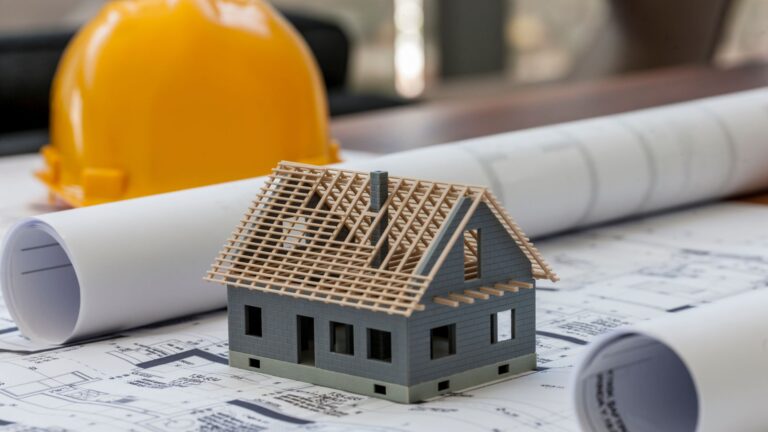
Once plans are approved and materials secured, construction begins. The site preparation includes clearing land, setting foundations, and building the framework. From there, skilled workers and subcontractors handle specialized tasks such as plumbing, electrical wiring, HVAC installation, and interior finishing.
Coordination and communication are vital throughout this phase. Project managers ensure that all moving parts come together smoothly, keeping the project on time and within budget.
4. Post-Construction and Handover
After the building is complete, it undergoes final inspections and quality assurance testing. Any necessary adjustments or repairs are addressed before handover. The client receives detailed documentation, including maintenance schedules and warranties, ensuring long-term operational success.
Key Factors That Define a Successful Commercial Construction Project
Several elements influence the success of a commercial building project. These include:
1. Strategic Planning
Thorough pre-construction planning helps mitigate risks and ensures that all stakeholders share a common vision. This includes setting realistic budgets, clear communication, and contingency plans for unexpected challenges.
2. Quality Materials
Using high-quality, durable materials reduces long-term maintenance costs and ensures structural integrity. Modern commercial construction also emphasizes eco-friendly materials for sustainability.
3. Skilled Workforce
A skilled construction team is the backbone of every project. From engineers and architects to electricians and finishers, each expert contributes to building excellence.
4. Project Management Efficiency
Strong project management ensures smooth coordination between teams, suppliers, and clients. Regular updates, transparent reporting, and timely decision-making are crucial to meeting deadlines.
5. Compliance and Safety
Following local regulations, zoning laws, and safety standards is essential. Responsible contractors prioritize worker safety and environmental protection at every stage of construction.
Emerging Trends in Commercial Construction
As technology and sustainability continue to evolve, the commercial construction industry is experiencing remarkable transformations. Here are some of the most exciting trends shaping the future of the field:
1. Green and Sustainable Building
Sustainability is no longer optional, it’s a necessity. Modern commercial buildings incorporate energy-efficient systems, solar panels, eco-friendly insulation, and sustainable materials. These designs help reduce environmental impact while cutting operating costs.
2. Smart Technology Integration
Smart buildings use sensors and automation to enhance energy management, lighting, security, and climate control. These innovations create more efficient and adaptable workspaces.
3. Modular and Prefabricated Construction
Prefabrication and modular construction allow sections of a building to be assembled off-site and transported for final installation. This approach reduces waste, speeds up completion, and ensures precision.
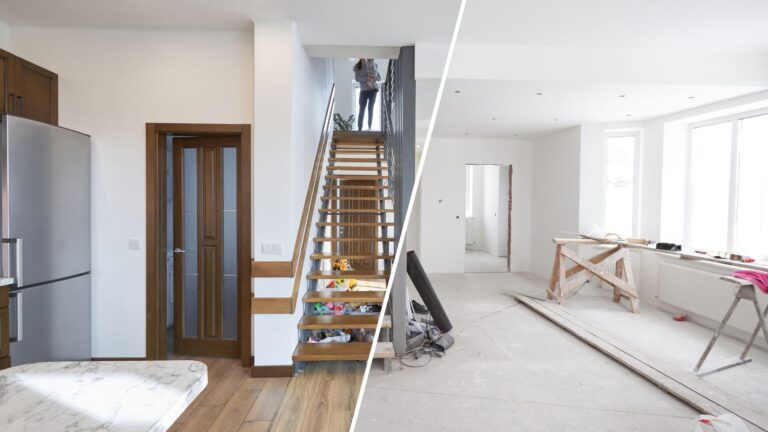
4. Adaptive Reuse and Renovation
Instead of starting from scratch, many developers now transform old buildings into modern commercial spaces. Adaptive reuse preserves history while reducing the environmental impact of new builds.
5. Emphasis on Health and Wellness
Post-pandemic, there’s a growing emphasis on indoor air quality, open spaces, and natural lighting. Commercial construction projects now prioritize occupant well-being through biophilic design and flexible work areas.
How to Choose the Right Commercial Construction Partner
Selecting the right construction company can make or break a project. Here’s what to consider:
- Experience and Reputation – Look for a contractor with proven expertise in commercial construction and a portfolio that matches your project type.
- Transparent Communication – Choose a partner who values open dialogue and provides regular progress updates.
- Commitment to Safety – Verify that they follow strict safety protocols and industry regulations.
- Innovative Solutions – The best companies embrace modern technology and sustainable practices to deliver top-quality results.
- Client References – Ask for testimonials or case studies to assess their reliability and performance history.
A trustworthy partner ensures that every stage of the project, from design to handover, is handled with professionalism and precision.
The Future of Commercial Construction
The future of commercial construction lies in adaptability, innovation, and sustainability. As businesses evolve, so too must the buildings that support them. From energy-efficient skyscrapers to flexible office designs, the industry continues to redefine what’s possible in the built environment.
With technology driving smarter construction methods and sustainability shaping design decisions, commercial spaces of tomorrow will not only meet functional needs but also contribute to a more sustainable world.
Partner with Kasm Construction today and let’s build a future that stands tall — in quality, performance, and sustainability.